Understanding regular and deep cleaning
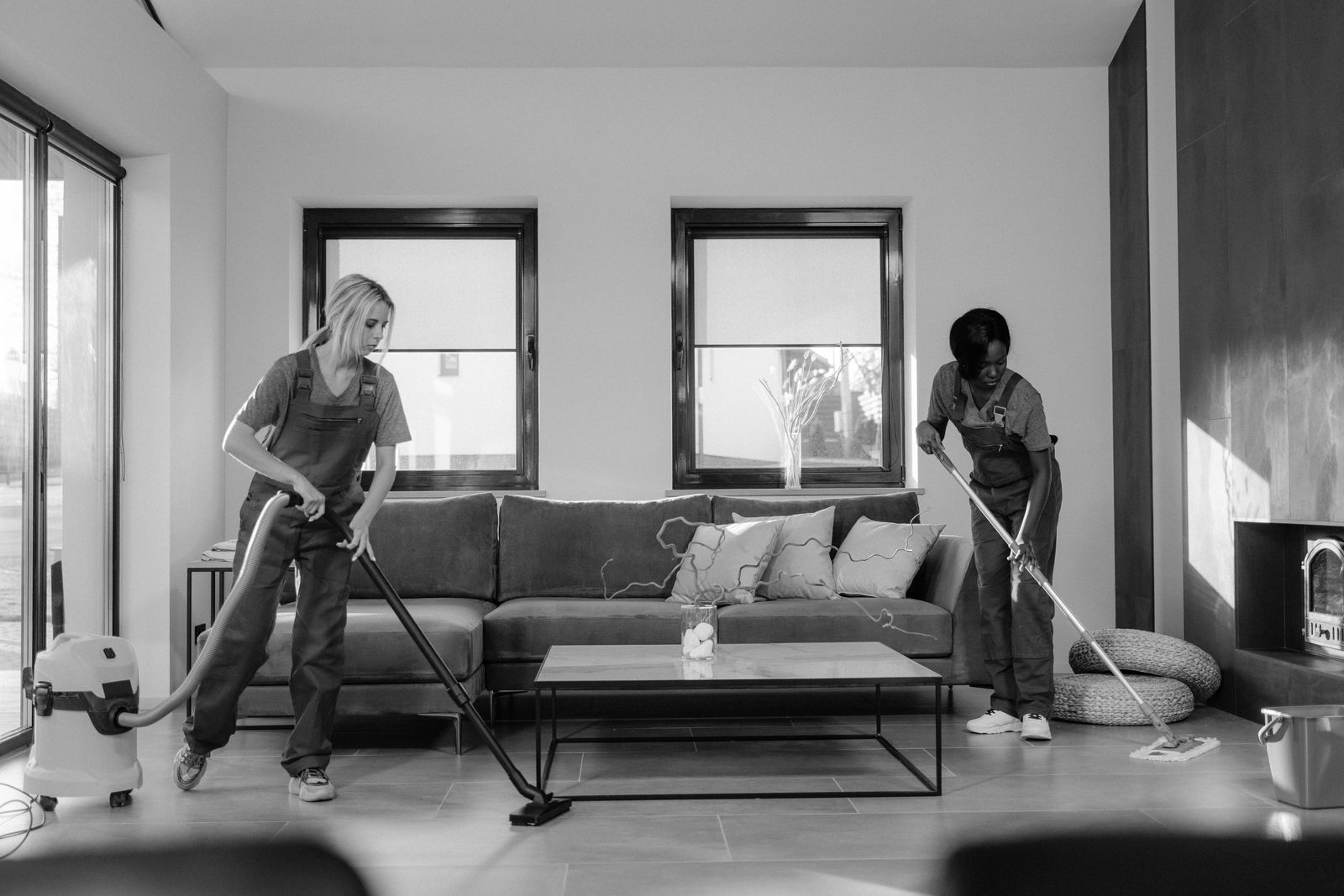
Regular cleaning is the habit of looking after a space that people already use. It usually concerns the rooms in daily circulation: floors that collect dust, surfaces that are touched, and kitchens or bathrooms that are part of the routine. Deep cleaning is the phrase for a more detailed request, often when corners, fittings, or less-used areas need to be named specifically.
The labels overlap. A regular visit can still include a bathroom, and a deep request can still be a single date. Use the words to tell ProClean Solutions what kind of attention you mean, then list the rooms. The website will not turn those words into a timed appointment.
How to prepare a home for a cleaning conversation
Before you write, walk through the rooms you want included. Note anything that should not be moved, any area that is off limits, and whether people or pets will be in the space. You do not need to empty the home for the inquiry itself. Clearing clutter, if you choose to do it, makes a later visit easier to describe, but this page does not require it.
Write down access details you are willing to share, such as a stair count or a locked room. Do not send passwords, alarm codes, or payment numbers through the form.
Everyday kitchen cleaning tips
Kitchen attention often starts with the surfaces used for food, the sink, and the outside of appliances. Wipe spills when they are fresh if that is safe for the surface, and keep a separate cloth for the floor so food debris is not spread. This is ordinary housekeeping, not an instruction to use a particular product.
Do not mix cleaning products. If a bottle has its own directions, follow that label rather than a general article. If you are asking ProClean Solutions about the kitchen, name the surfaces and say whether appliance interiors are part of the question.
Bathroom cleaning basics
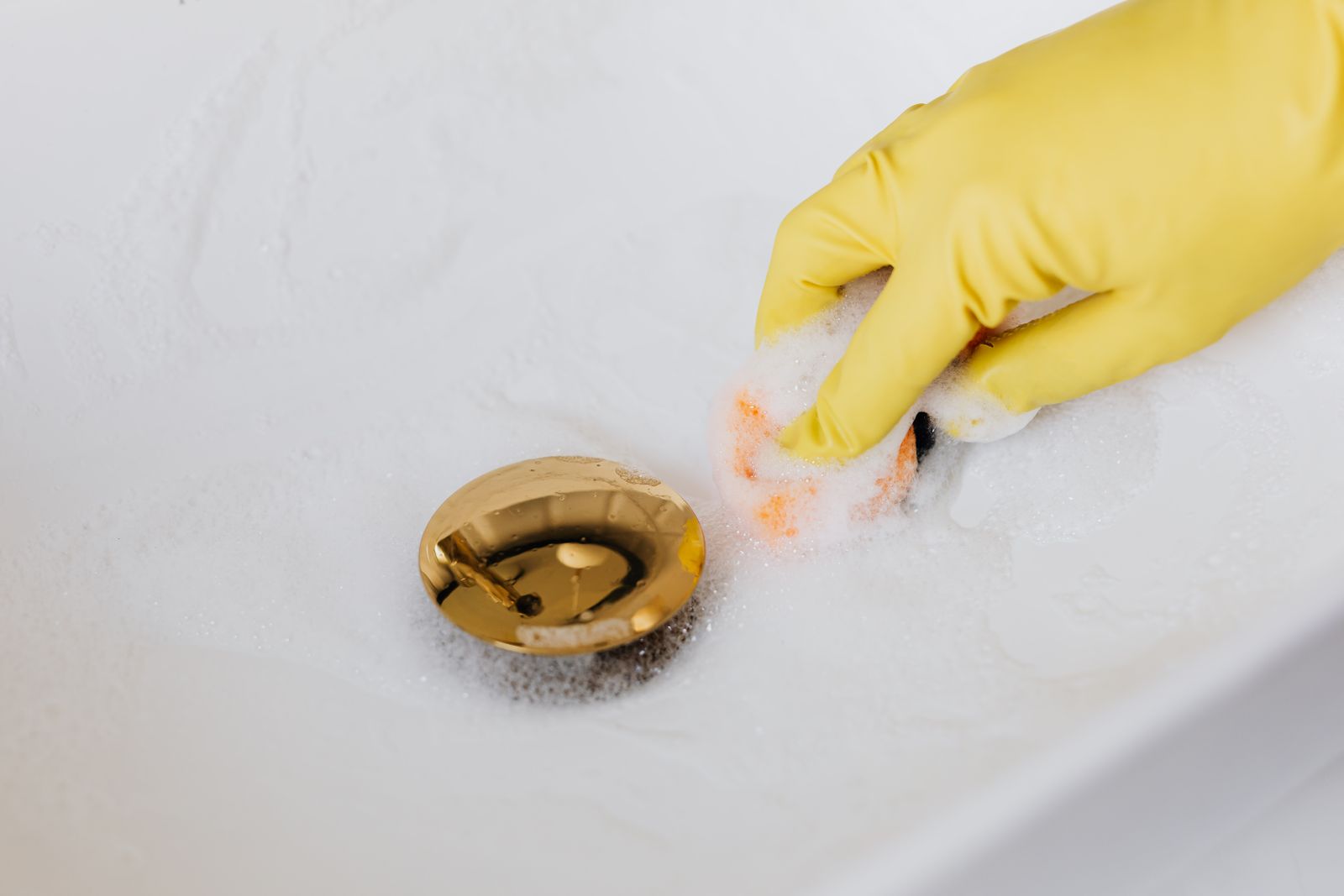
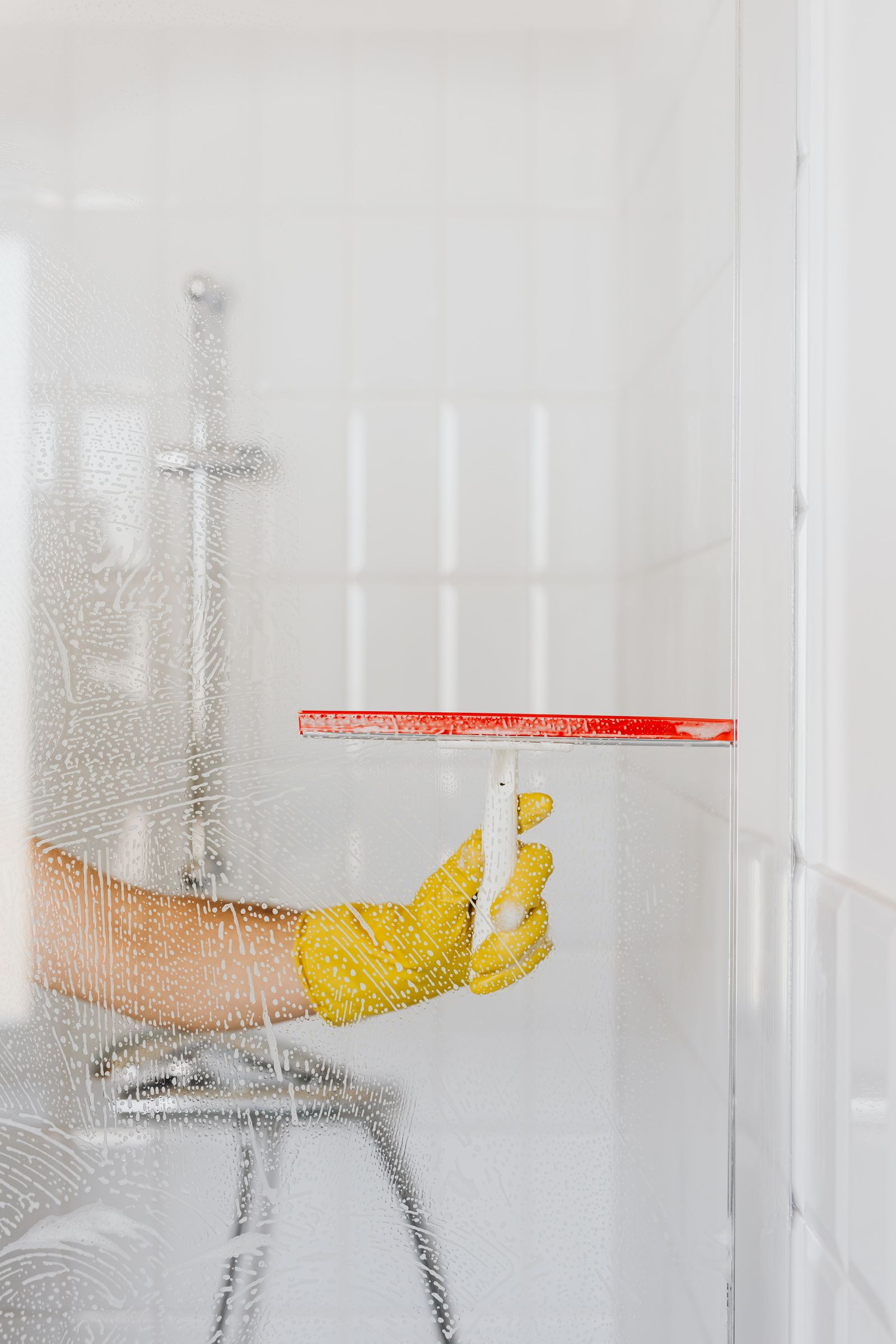
Bathrooms collect water marks, soap residue and dust on fittings. Ventilation after showers can reduce lingering moisture. A regular look at the basin, shower screen and floor is a common household routine. It is not a medical process and it is not described here as disinfection.
When you inquire, say how many bathrooms there are and whether glass, tile, or both matter to you. Marks that have been in place for a long time may need a different conversation from everyday upkeep. The site does not promise they will disappear.
Keeping office spaces organized
An office is easier to discuss when desks, meeting tables and shared kitchen surfaces are distinguished. Papers and equipment that must stay in place should be mentioned. A cleaning request is not an instruction to discard documents.
Shared bins, entrance floors and glass partitions are common notes in an office inquiry. Whether cleaning is expected during or outside working hours is something to write in the message. The website does not set that schedule.
Cleaning considerations before moving
A move-related clean is clearer when you know whether the rooms will be empty. Empty rooms show floors and fittings that furniture usually hides. Rooms that are still full need a note about what can be moved. Kitchens and bathrooms are often named separately because they are the rooms people check most carefully at a handover.
This tip does not interpret a lease or a handover form. If a document requires a specific standard, quote the practical details in your inquiry rather than assuming the website has agreed to that document.
Common areas that need regular attention
Entrances, kitchens, bathrooms and the floors between them usually show use first. High-touch points such as handles and switches are easy to forget when a request only names large rooms. You can list them if they matter. Listing them does not create a checklist that every visit must follow.
Basic floor care considerations
Hard floors and carpets collect different debris. Grit at an entrance can scratch some hard floors if it is left to be walked through. Mats and a regular sweep or vacuum are ordinary care, not a restoration method. If a floor is damaged, loose, or has a care label you want respected, say so. Floor cleaning on this site is not sanding, sealing, or repair.
Maintaining a clean living environment
A living area stays easier to look after when everyday items have a place and floors are not used for storage. Open windows for fresh air when the weather and the building allow it. None of this replaces a cleaning inquiry, and none of it is a claim that a room will remain in a particular condition.
Choosing a cleaning service for your space
Match the service name to the property first. Then decide whether you mean a regular pattern, a single visit, a deeper request, or a move. If only one room matters, use the kitchen, bathroom, floor or window page. Read the service description, then use the contact form. The form records what you type. It does not choose the service for you and it does not confirm that the service will take place.
Send Inquiry